
Great Grad: Meet Lily Wade, City and Regional Planning Major

Each year, to celebrate commencement, Cal Poly highlights a group of “Great Grads”: A student from each of the six colleges and the Cal Poly Maritime Academy who are completing an outstanding academic journey and moving on to the next phase of their lives. Lily Wade is our Great Grad from the College of Architecture and Environmental Design.
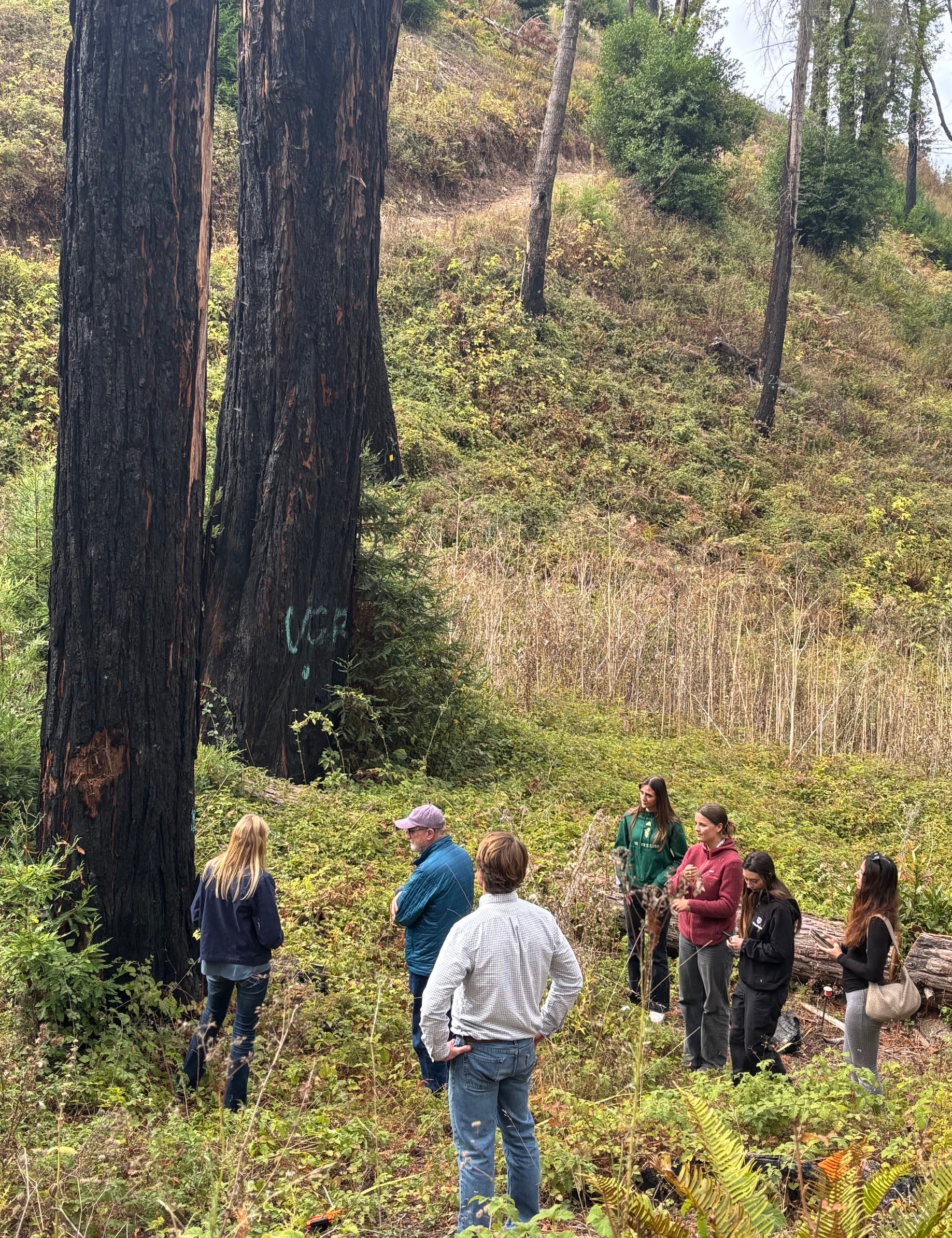
Lily Wade is seeking a career in environmental planning, specifically wildfire mitigation.
“I want to gain hands-on professional experience and continue building my technical and policy knowledge,” said the city and regional planning major, with minors in sustainable environments and real property development. “Over time, I am also interested in breaking into the development side of the field, especially in ways that connect planning, design and implementation. Ultimately, my goal is to grow into a position where I can help communities become more resilient to wildfire and other environmental hazards while contributing to thoughtful and responsible development.”
Wade, who grew up in Northern California, is part of a unique and small cohort of California State University students who as children experienced life in foster care. The 22-campus CSU system is the largest public institution of education in the nation with about 471,000 students; Wade and her peers represent under half a percent of all CSU students.
She is among the 53 at Cal Poly — including 13 graduating with her in June — and another 1,650 CSU students across California who experienced unstable home lives as children. As college students, they often face extraordinary hurdles including housing and food insecurity, financial uncertainties and lack of access to mentoring and guidance.
Social service agencies placed these individuals in foster care primarily out of safety concerns, among other reasons, citing parental substance abuse and/or unsafe living environments. Wade and three siblings were between a few months and 9 years old when they first entered foster care. She was 7.
“My experience in foster care lasted several years, primarily between 2014 and 2018 with multiple placements, reunifications and separations,” the 23-year-old said. “It was often
unstable, but there were also moments of support that helped me continue my education and move forward.”
One bright experience occurred when her paternal grandmother took in the children. “Living with her was one of the most stable and positive times in my childhood, but she unexpectedly passed away from cancer before our case was closed,” Wade said, and eventually the children returned to foster families.
By 2018, Wade was living in Oroville with a friend and her older sister when a social worker alerted the sisters that their siblings, who included a toddler brother and year-old sister, would be returned to foster care “if we did not take them in,” she said.
“At the time, I was 16 and Autumn was 18, and although we were not prepared, we stepped in. We took in Zoe, then 14, and Alex, who was 11, while the younger children went to live with other family members. We did not have legal guardianship, but we enrolled Zoe and Alex in school and cared for them.”
The following year, Autumn moved to Sacramento, with their youngsters, and ultimately became a child rights advocate, while Wade stayed to finish high school despite “a deep sense of guilt.” While she continued to support the younger sibling while they were apart, she observed that upon her 2020 graduation, “my older sister made going to college possible for me. Her strength gave me the stability and reassurance I needed to pursue higher education.”
Wade enrolled at Butte College and earned an associate degree in social and behavioral science but also studied drafting — “my first introduction to architecture and design, and one of my earliest academic interests,” she said.
Cal Poly and its College of Architecture and Environmental Design was her top choice because of its strong graduation rates and the Learn by Doing approach to teaching.
“I was primarily interested in construction management and architecture,” she said. “I knew I wanted to be involved in the built environment, and I was also interested in real estate and property development, especially in understanding how projects come together from both a design and development perspective. At the time, city and regional planning was not something I fully understood, but I was curious about it and open to learning more.
“As I explored the college’s programs, I realized that planning offered a broader way to influence not just individual buildings but entire communities. It connected my interests in design, development and real estate with larger questions about land use, environmental impact and how places are shaped over time. That realization is what ultimately drew me to the planning program.”
After transferring to Cal Poly, she initially wrestled with self-doubt.
“One of my biggest challenges was navigating college without the traditional family support and guidance that many students can rely on,” the first-generation student said. “I had to manage financial instability, housing concerns and complex systems like financial aid and enrollment while also trying to succeed academically.”
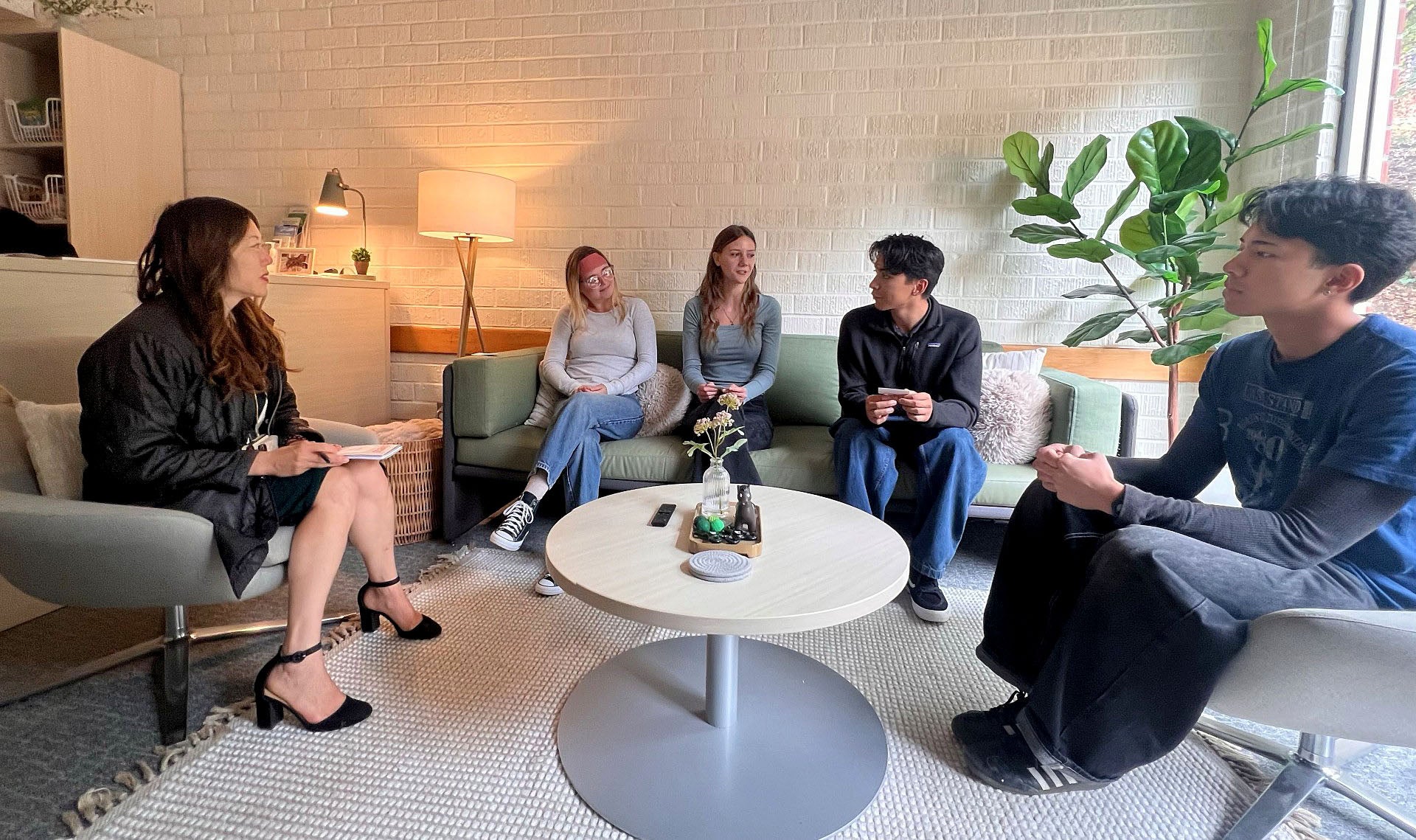
She learned that the university’s Guardian Scholars Program assisted students like herself. “This program is whatever our Guardian Scholars need it to be,” said program coordinator Shayna Citrenbaum. “Whether you are in need of support around financial wellness or brainstorming about a future career, or talking through how things are going in classes, or just need a quiet place to study or grab a snack, we are here to meet you wherever you are.”
The program helped Wade secure financial resources she wasn’t aware of and provided emotional and practical support “to ensure my needs were met,” Wade said. “Shayna guided me through navigating the college system and accessing resources such as financial aid, food and housing support, and help resolving financial aid issues. That support played a critical role in my ability to succeed.”
While fewer than 4 percent of former foster youth nationwide obtain a college degree, support programs like Guardian Scholars have resulted in CSU graduation rates as high as 55% thanks to tuition waivers, grants and personalized counseling.

Wade’s path included earning near straight-A grades and being named five times to the Dean’s List for academic excellence, guided by her dad’s sage advice.
“My late father always emphasized that education is something no one can take away from you, and I have carried that with me,” Wade said. “What kept me motivated was understanding that earning my degree would change the trajectory of my life. I have always known I would pursue college not only for myself but for him. Even during the most difficult moments, that sense of purpose helped me move forward.”
Cal Poly was a transformative experience, providing opportunities that helped her grow into “someone who is confident, capable and motivated to make a difference,” Wade said. “It has prepared me to be Ready Day One by giving me hands-on experience working on real-world projects and exposing me to the expectations of the planning field.
“I feel prepared to enter the workforce with both the technical skills and the real-world perspective I need to succeed.”
Want more Learn by Doing stories in your life? Sign up for our monthly newsletter, the Cal Poly News Recap!


