
MLK Award Winner Talks Community and Making an Impact

At the10th annual MLK Jr. Legacy event in January, Preston Allen, retired associate vice president for Cal Poly's Student Affairs Division and executive director of Cal Poly University Housing, co-accepted the MLK Legacy Award with third-year economics student Adanna Okiwelu in recognition of their work to strengthen Cal Poly and the broader community.
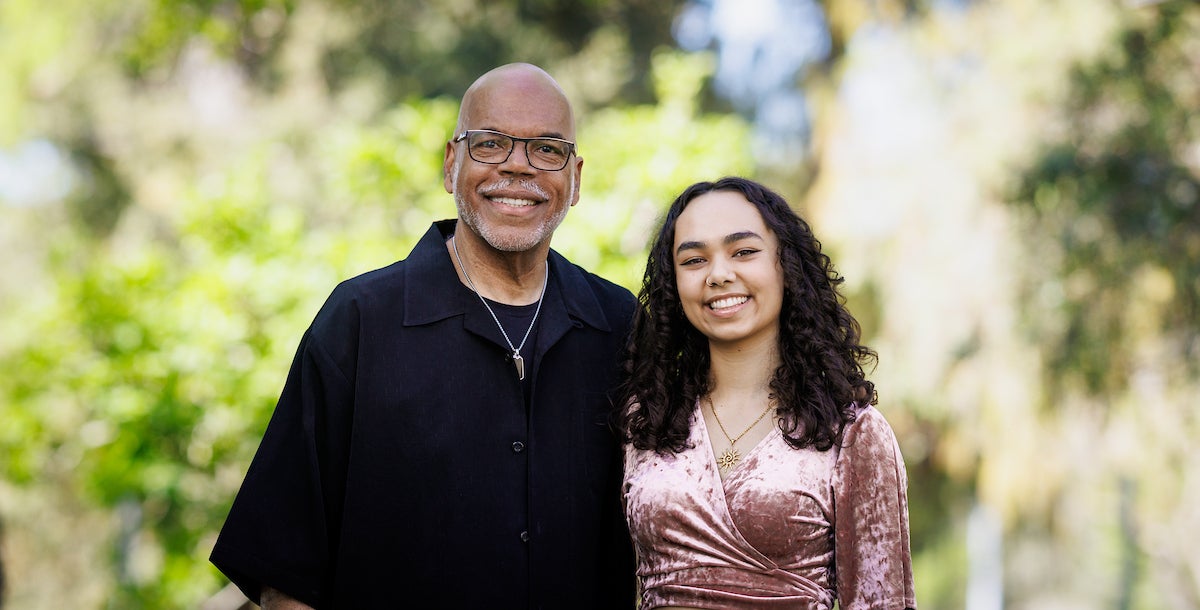
In addition to his on-campus leadership, Allen also played a key role in reactivating the San Luis Obispo County chapter of the NAACP and in the formation of Cal Poly’s Black Legacy Weekend. He has centered community and building relationships since he began his career in higher education as a resident assistant at Michigan State University.
Cal Poly News sat down with Allen to learn more about his work and his vision for the future. The conversation below has been edited and condensed for clarity.
What kind of leader do you aim to be, both on campus and in the local community?
For me, community is a verb. Every role I’ve had, I go into thinking about how I want to create community and keep that at the center. I want to put effort, strict strategies, time and attention into it.
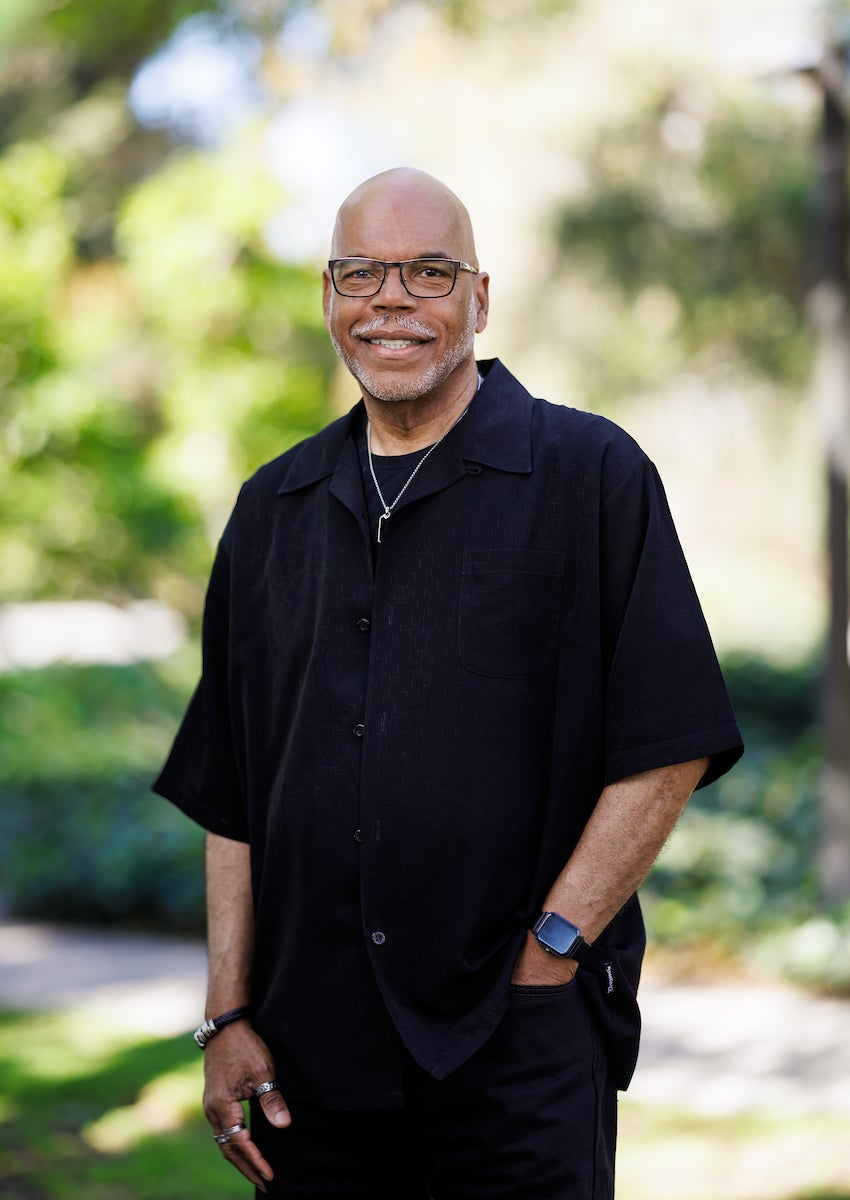
Relationships matter. It’s the actions you take to connect people together for the betterment of individuals, teams, staff, and the collective. People don’t always have to agree, but they have to maintain a level of respect or understanding. I have always believed in keeping the human connection at the center of the work.
When I look around a room, the person who’s not talking is the person I most want to hear from. The right answer is always in the room with you, and I want to make everyone feel comfortable sharing their perspectives.
What contributions, both to Cal Poly and to the broader community, are you most proud of?
On campus, I am most proud of the housing communities we built. When I came to Cal Poly in 1993 from a housing position at UC Irvine, it was to expand housing for students, and that’s what I did.
But we didn’t just build structures for students to live in — we built communities. Creating spaces where students could live, learn, and grow together — and still do, decades later — is one of my proudest accomplishments.
Beyond campus, I’m proud of the ways I’ve stayed engaged in strengthening connections between Cal Poly and the broader community, such as my work with R.A.C.E. Matters SLO and the local NAACP chapter.
I work with the SLO Chamber of Commerce to underscore and highlight local businesses that are owned by people of color and create a space to support BIPOC-owned businesses. I also work with Restorative Partners, a nonprofit group that supports people who’ve just been released from incarceration in finding jobs, housing and other resources.
I understand you helped launch Cal Poly’s Black Legacy Weekend, an annual event every July for students, faculty, staff and alumni. How did that come about?
The Black Legacy Weekend grew out of witnessing the strong and meaningful connections between Black staff and the student community, from recruitment to advising to graduation.
I wanted to create a summer opportunity for people to come back, visit campus, and connect with faculty and staff. At the time, Poly Canyon Village was empty during the summer, and I saw a space and an opportunity to bring folks together for a weekend. The first year we did it was amazing. People came back who hadn’t been on campus since they graduated decades ago.
Relationships are important, and I wanted to ensure those connections continued and were recognized in meaningful ways. The events are about honoring legacy, affirming belonging, and making visible the contributions of Black alumni, faculty, staff, and students. And from those Black Legacy Weekends came the Cal Poly Black Alumni community.
What drives you to continue to be involved in the Cal Poly community?
Experience has taught me that institutions grow stronger when people continue to invest in them beyond formal roles. What drives me is the belief that I can still add value to the campus community through my interactions, planning, and strategic thinking. I remain involved because I care deeply about student experience and community development. People are still giving me the affirmative indication that they welcome me being in their spaces, and I appreciate that. It’s always nice to connect with students, and that keeps me here.
You currently serve as president of the board of R.A.C.E. Matters SLO and were a founding officer of the SLO County NAACP chapter. What motivated you to take on these leadership roles, and what positive impacts have you seen?
When I retired from Cal Poly in 2017, I wanted to apply the experience I gained in higher education to the broader community. I’ve worked with people who were paid professionals and those who volunteered, and both bring tremendous value. I was curious to see if I could lead and motivate in spaces without formal authority, without the structure of employment behind it.
Throughout my career, I have always asked myself how I could improve the work environment in ways that motivate people to do their best. Most people come to work every day wanting to do a good job. Leadership, to me, is about creating the conditions that allow that to happen.
Through R.A.C.E. Matters and the NAACP, I’ve seen stronger partnerships form, more visible support for marginalized voices, and greater opportunities for community dialogue and engagement. It’s really important that we stay connected to the community. It’s important to bring people together.
Since coming to Cal Poly, how have you seen campus culture evolve, and are you optimistic about its trajectory?
Yes, I am optimistic. From the beginning, President Armstrong has centered the student experience. I used to tell people how fortunate Cal Poly is to have a president who genuinely loves students. Jeff is the kind of leader who would personally introduce students to me.
My optimism is rooted in what I know to be true about leadership that keeps students at the center. When the student experience remains the guiding priority, the institution moves in the right direction.
Want more Learn by Doing stories in your life? Sign up for our monthly newsletter, the Cal Poly News Recap!


