
Birds Respond Differently to Environmental Change — and Their Traits Explain Why
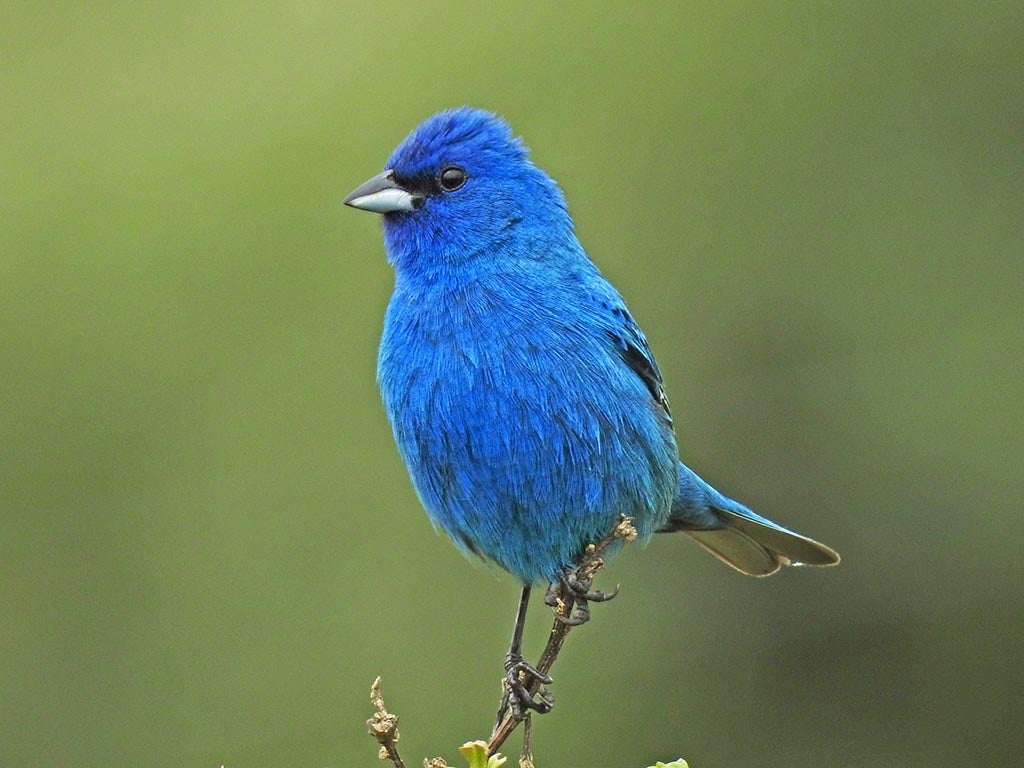
A sweeping new Cal Poly study of North American birds reveals that environmental change does not affect all species equally and that a bird’s traits can explain whether populations rise or fall as local conditions change.
The peer-reviewed research in the journal Current Biology, titled “Avian traits link divergent population responses to environmental change across North America,” of more than half a million bird captures collected across North America over nearly 30 years, found that the same bird species can fare very differently depending on where they live.
The study identifies which environmental changes are linked to these divergent trends and shows that characteristics such as vision, flight behavior, climate preference, vocal traits, and life-history strategy help explain why species respond differently.
"Bird declines are often discussed at continental scales, but birds experience environmental change locally,” said lead author Sarah L. Jennings, a postdoctoral research fellow in Cal Poly’s Biological Sciences Department. “We found that populations of the same species can be increasing in some places while declining in others, and much of that variation is linked to changes happening in the local environment.”
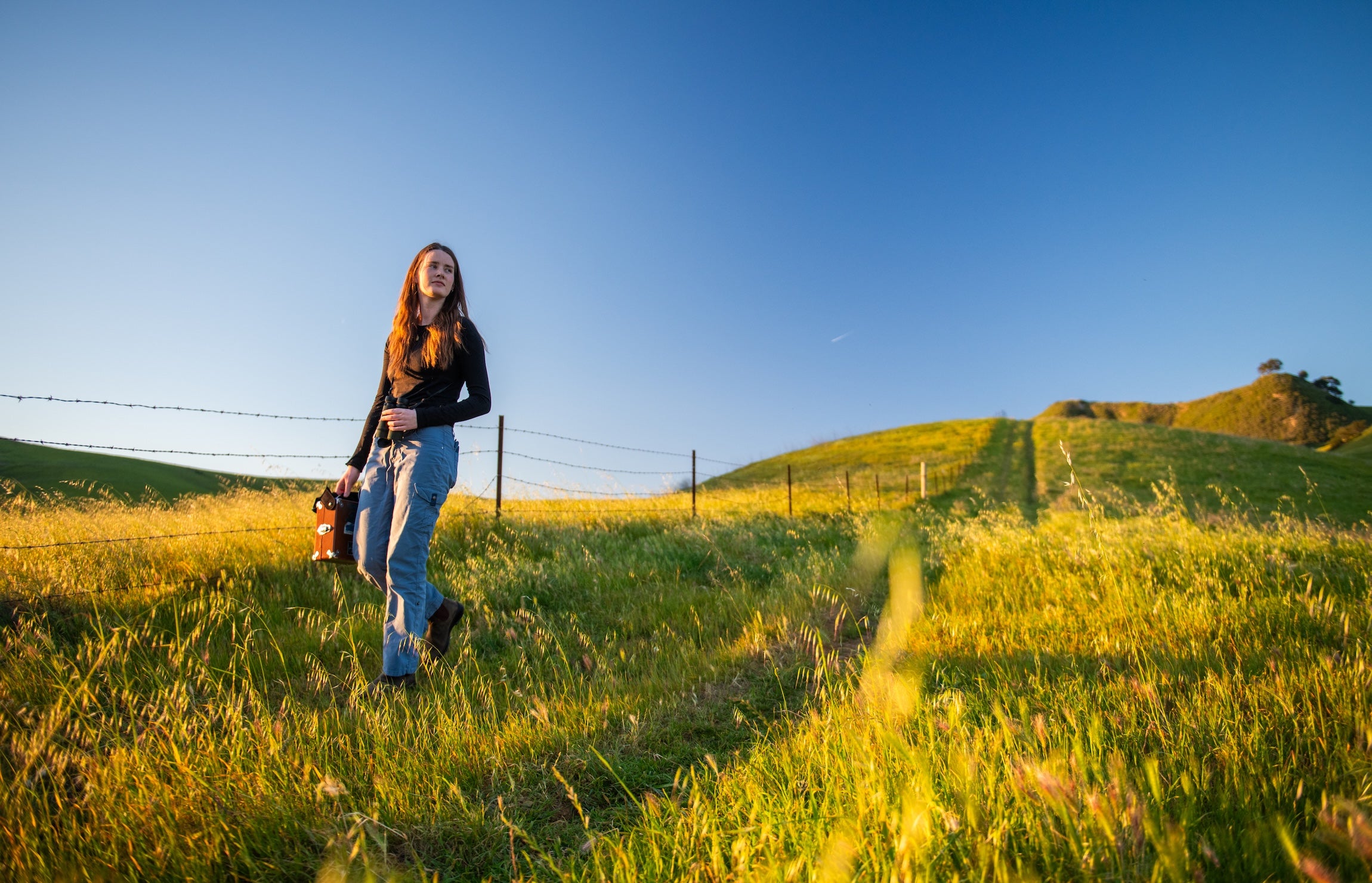
The researchers analyzed long-term data from the Monitoring Avian Productivity and Survivorship (MAPS) program, a continent-wide bird-banding network. They examined local trends in both adult abundance (number of mature individuals) and productivity (number of young produced per adult) for 46 bird species and linked those trends to 11 forms of environmental change, including light pollution, air pollution, temperature, precipitation, urbanization, and land-cover change (the surface components of land such as forests and grasslands).
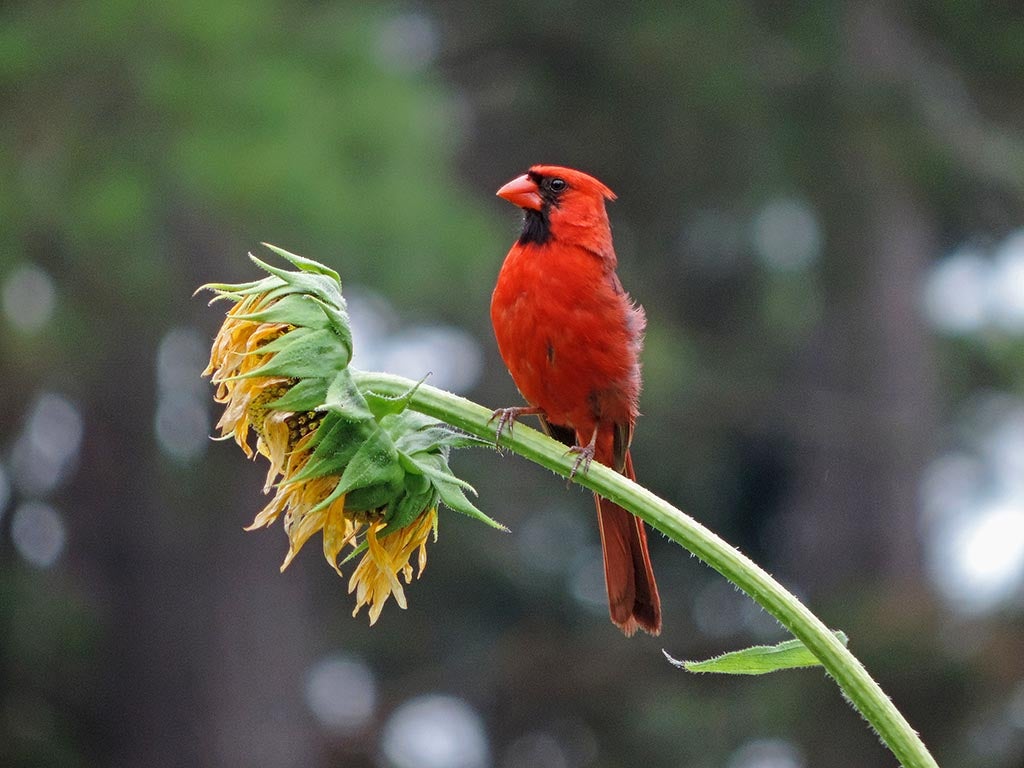
The species they researched included many birds common to North American habitats such as wrens, woodpeckers, robins, sparrows and cardinals, among others.
Bright nights, cleaner air, and warming temperatures
The study found that no single environmental factor explained bird population changes across all species. Instead, species responded in highly individualized ways because of how they interact with their environment. Light pollution emerged as one of the strongest drivers of population change. About one-quarter of species showed strong responses to increasing light pollution, with most species declining where light pollution intensified.
Species that can see well in dark conditions were especially sensitive.
“Birds that evolved to function well under naturally dark conditions, such as dark forests, appear particularly vulnerable to light pollution,” said study co-author Eva Moylan, a Cal Poly biological studies master’s degree student. “The encouraging part is that light pollution is one of the easiest environmental problems to mitigate with existing technology and policy.”
Changes in air quality also strongly influenced bird populations. In many eastern regions where pollution has declined, some species increased in abundance or productivity. But in western North America, where wildfire smoke is increasing particulate pollution, responses were more mixed. The researchers also found that climate responses depended on species’ climate preferences. Birds adapted to warmer climates tended to increase in areas that became warmer over time, while cooler-adapted species often did not benefit from warming conditions.
Traits reveal why species differ
A central finding of the study is that ecological traits can help predict species’ sensitivity to environmental change.
For example:
- species with superior low-light vision were more negatively affected by increasing light pollution;
- species with more flight-intensive lifestyles were more sensitive to worsening ozone pollution;
- thermal preferences predicted responses to warming temperatures;
- vocal characteristics and life-history traits, such as life span or number of offspring per nesting attempt, were linked to responses to urbanization and human population growth.
These trait-based patterns may allow scientists to forecast how less-studied species will respond to ongoing environmental change.

“Birds differ tremendously in how they interact with their environments, so we should not expect them all to respond the same way to environmental change,” said study co-author and Cal Poly professor Clinton Francis. “By understanding the traits linked to environmental sensitivity, we can better anticipate which species are likely to be vulnerable and use this information to know which aspects of environmental change must be carefully managed.”
Local conservation opportunities
The study also highlights the importance of local conservation action. While climate change and regional air pollution require broad policy solutions, many environmental factors affecting birds can be addressed at the level of cities or counties. The authors note that 65% of species in the study responded to environmental changes that local governments can directly manage, including light pollution and various aspects of urban development patterns.
“There are meaningful actions cities and communities can take right now that could improve outcomes for birds,” Jennings said. “Reducing unnecessary nighttime lighting and improving urban habitat are just two achievable steps to improving bird populations.”
The researchers emphasize that conservation strategies based only on continent-wide averages may overlook critical local population dynamics.
“Our findings show that studies that average changes in bird populations over large areas are likely smoothing over critical details; populations appear to be responding to local-level environmental changes,” Jennings said. “Understanding where and why populations are changing is essential if we want conservation efforts to be effective.”
Want more Learn by Doing stories in your life? Sign up for our monthly newsletter, the Cal Poly News Recap!


